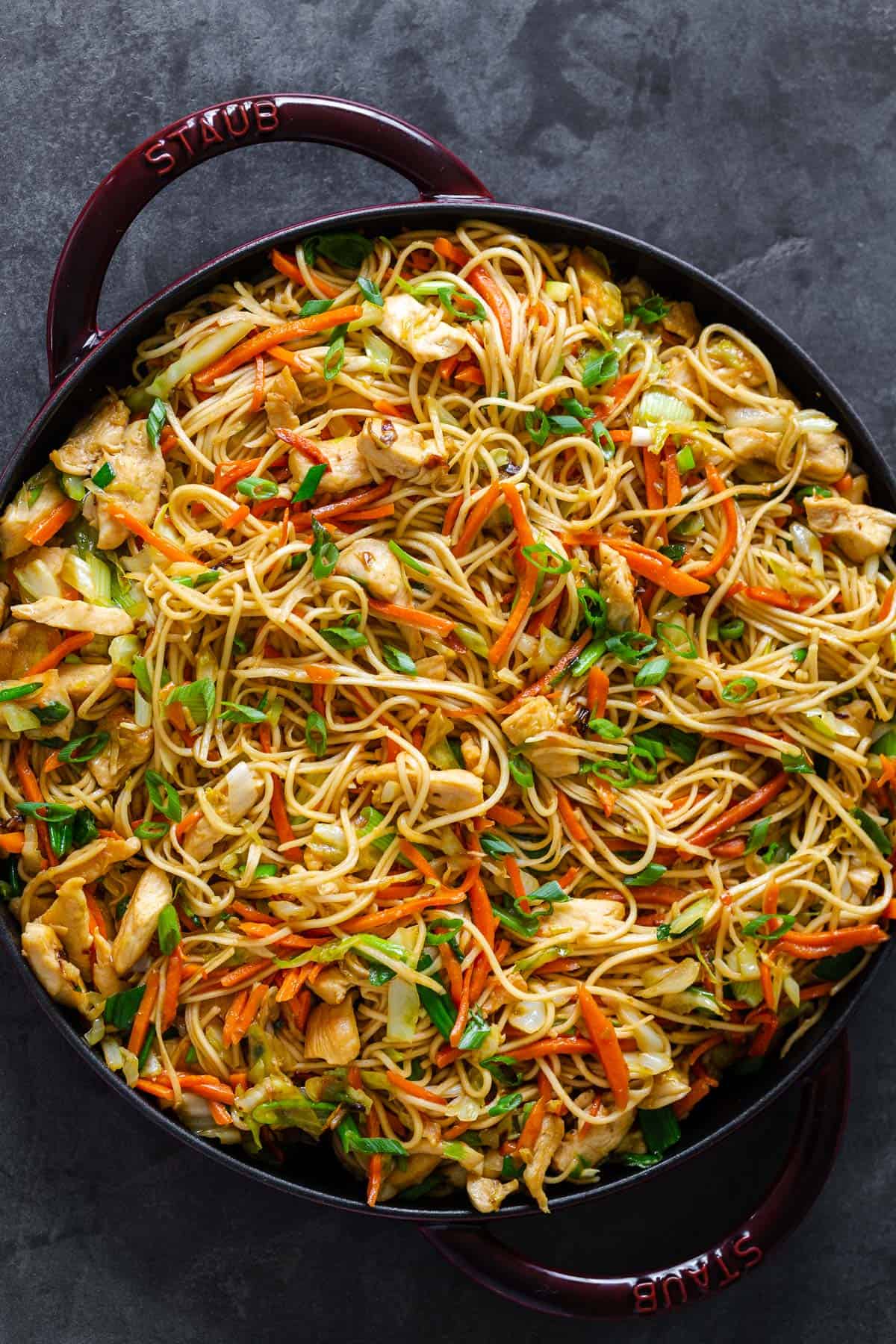
Imagine a vibrant, steaming plate of noodles, tender chicken, and crisp vegetables, all coated in a rich, savory sauce that dances on your palate. Now, imagine whipping this culinary masterpiece up in your own kitchen in less than 35 minutes. Welcome to the world of homemade chicken chow mein, a dish so satisfying, so utterly delicious, it will make you question why you ever bothered with takeout.
For too long, the idea of creating authentic Chinese-American stir-fries at home seemed daunting, a secret only professional chefs possessed. But I'm here to tell you that the secret is out, and it's surprisingly simple. With the right ingredients and a few smart techniques, you can achieve a truly spectacular chicken chow mein that not only rivals your favorite restaurant but often surpasses it in freshness and flavor. Prepare to transform your weeknight dinners and impress your taste buds!
Why Homemade Chicken Chow Mein Trumps Takeout Every Time
There's a unique satisfaction that comes from cooking a dish from scratch, especially when it turns out better than anything you could order. This homemade chicken chow mein recipe is a prime example, offering several compelling reasons to ditch the delivery app:
- Unbeatable Speed for Busy Weeknights: Who knew gourmet-level flavor could be achieved so quickly? With a little prep, you can have a full meal on the table in about 35 minutes, making it perfect for those hectic evenings or unexpected cravings. For more tips on making this dish a regular fixture in your fast-paced life, check out our guide on Quick Chicken Chow Mein: Speedy Weeknight Meal & Easy Variations.
- Superior Flavor and Freshness: The core of any great chow mein lies in its sauce and the quality of its ingredients. By making it at home, you control every element, from the crispness of your veggies to the tenderness of your chicken. You'll avoid the excessive oil, sodium, and sometimes questionable ingredients found in commercial kitchens, allowing the fresh, vibrant flavors to truly shine.
- Complete Customization: Ever wish your takeout had more carrots, less cabbage, or an extra protein? At home, you're the chef! This recipe serves as a fantastic foundation, a blank canvas where you can swap in your preferred vegetables, experiment with different proteins, or adjust the spice level to suit your family's preferences.
- Cost-Effective and Healthier: Enjoying a restaurant-quality meal without the restaurant price tag is always a win. Plus, you have full control over the oil, salt, and sugar content, making your homemade chicken chow mein a healthier choice without sacrificing an ounce of taste.
The Secret Weapon: Crafting the Perfect Chow Mein Sauce
While the tender chicken and perfectly cooked noodles are crucial, the true magic of a truly outstanding chicken chow mein resides in its sauce. This isn't just any sauce; it's a meticulously balanced blend of savory, sweet, and umami notes that coats every strand of noodle and piece of protein, creating an irresistible depth of flavor. Forget bland, watery sauces – this is the rich, glossy concoction your taste buds deserve.
Our "best chow mein sauce" recipe hinges on a few key ingredients, each playing a vital role:
- Oyster Sauce: This is often considered the star of many Chinese stir-fries. It provides a savory, slightly sweet, and incredibly rich umami base. Quality matters here, so invest in a good brand. Remember to taste as you go, as saltiness can vary between brands.
- Low-Sodium Soy Sauce: Essential for that authentic umami punch, using low-sodium varieties allows you to control the overall saltiness of your dish, letting the other flavors emerge without being overwhelmed.
- Light Sesame Oil: Not to be confused with toasted sesame oil (which has a much stronger, nuttier flavor and is usually used as a finishing oil), light sesame oil adds a subtle, delicate aroma that complements the other sauce ingredients without dominating.
- Chicken Broth: This adds moisture, richness, and helps to distribute the flavors evenly throughout the dish.
- Cornstarch: The unsung hero for texture! Cornstarch is what thickens the sauce, ensuring it beautifully coats the noodles and ingredients, rather than pooling at the bottom of the plate. It gives that signature glossy finish.
- Granulated Sugar: A touch of sugar is crucial for balancing the savory and salty components, adding a subtle sweetness that rounds out the flavor profile and prevents the sauce from tasting flat.
Mixing these ingredients together is quick and easy, but understanding their individual contributions is what elevates a good sauce to a great one. For an even deeper dive into mastering this essential component, including tips for adjusting consistency and flavor, be sure to read our dedicated article: Unlock the Best Chicken Chow Mein Sauce: Restaurant Quality at Home.
Essential Ingredients for Your Ultimate Homemade Chicken Chow Mein
Beyond the stellar sauce, the core components of your chicken chow mein are just as important for achieving that restaurant-quality taste and texture. Each ingredient is selected for its contribution to flavor, texture, and quick cooking.
The Noodle Know-How: Selecting Your Chow Mein Noodles
The foundation of any great chow mein is, naturally, the noodles! Understanding your options is key:
- Chow Mein Noodles vs. Lo Mein Noodles: While often confused, these are distinct. Chow mein literally means "fried noodles," and typically uses thinner, yellow-colored Chinese egg noodles that are often stir-fried until slightly crispy. Lo mein, meaning "tossed noodles," usually features thicker, chewier noodles that are boiled and then tossed with sauce and ingredients. For our homemade chicken chow mein, we're aiming for that classic stir-fried texture, so look for thin to medium-thick egg noodles.
- Fresh vs. Dried: Both fresh and dried egg noodles work beautifully. Dried egg noodles are widely available in most supermarkets and are cupboard-friendly. If you can find fresh egg noodles in the refrigerated section of an Asian grocery store, they often have a slightly superior texture. Whichever you choose, ensure they are suitable for stir-frying.
Lean Protein Power: Boneless, Skinless Chicken Breast
For quick cooking and a lean protein source, boneless, skinless chicken breast is ideal. Cut it into uniform, thin strips or bite-sized pieces to ensure it cooks through quickly and evenly in the hot wok or skillet.
The Crunch and Color Crew: Fresh Vegetables
Veggies are not just for nutrition; they add vital texture, color, and freshness to your chicken chow mein:
- Cabbage: Green or Napa cabbage provides a satisfying crunch and mild sweetness when stir-fried. Shredding or thinly slicing it ensures it cooks quickly.
- Carrots: Julienned (cut into thin matchsticks) carrots add a pop of color and a lovely subtle sweetness.
- Green Onions (Scallions): Used for both flavor within the stir-fry and as a fresh garnish, adding a mild oniony bite.
- Garlic: Essential for aromatic depth. Freshly minced or pressed garlic provides a potent, savory base that permeates the entire dish.
The Sizzle Starter: Neutral Oil
A neutral oil with a high smoke point, such as vegetable oil, canola oil, or even light olive oil, is crucial for stir-frying. It allows the ingredients to sear beautifully without burning, imparting that desirable "wok hei" (breath of the wok) flavor.
Customizing Your Chow Mein Adventure
One of the true joys of cooking chicken chow mein at home is the endless possibility for customization. This recipe is wonderfully flexible, adapting to whatever you have on hand or whatever your taste buds desire:
- Veggie Extravaganza: Don't stop at cabbage and carrots! Amp up the nutritional value and texture by adding other quick-cooking vegetables. Sliced mushrooms, snap peas, bell peppers (any color), broccoli florets, or even bok choy are fantastic additions that integrate seamlessly into the stir-fry. Add them according to their cooking time – tougher veggies first, tender ones last.
- Protein Power-Ups: While chicken breast is a classic, feel free to switch things up. Shrimp makes for a delightful pescatarian option, cooking in mere minutes. Thinly sliced pork or beef (marinated for tenderness) also works exceptionally well. For a vegetarian or vegan twist, firm or extra-firm tofu, pressed and cubed, stir-fries beautifully and absorbs the sauce like a dream.
- Bring the Heat: If you crave a spicy kick, it's incredibly easy to add. A dash of chili paste (like sambal oelek or gochujang), a pinch of red pepper flakes, or a few slices of fresh bird's eye chili can transform your classic chicken chow mein into an exciting, fiery creation. Add these during the stir-frying process, usually with the garlic.
- Gluten-Free Friendly: Making this dish gluten-free is simple. Replace regular soy sauce with tamari, which offers the same great umami flavor without the wheat. When it comes to noodles, ensure your chosen chow mein noodles are gluten-free, or opt for rice noodles (vermicelli or flat rice noodles work well) as an alternative.
Embrace the freedom to experiment and make this recipe truly your own. It's a fantastic way to use up leftover vegetables or cater to specific dietary needs without compromising on flavor.
Your Path to Under 35-Minute Chow Mein Perfection
The key to achieving this dish in under 35 minutes lies in efficient preparation and understanding the rhythm of stir-frying. It's not about rushing, but about smart sequencing and high heat.
Begin by mastering your "mise en place" – have all your ingredients prepped and ready to go before you even turn on the stove. This means slicing your chicken, chopping your vegetables, mincing your garlic, and whisking together your perfect chow mein sauce. Cook your noodles according to package directions, typically boiling for a few minutes until al dente, then draining and rinsing to prevent sticking.
The cooking itself is a rapid-fire process. Start with your chicken, searing it quickly in a hot wok or large skillet until cooked through and lightly browned. Remove it from the pan to avoid overcooking. Next, the harder vegetables go in – carrots, then cabbage – stir-frying them quickly until they just begin to soften but retain their crunch. Add your garlic and any other aromatics, letting their fragrance bloom in the hot oil. Return the chicken to the pan, add the cooked noodles, and pour in that incredible homemade chow mein sauce. Toss everything together vigorously, ensuring every strand of noodle and every piece of chicken and vegetable is coated in the glossy, flavorful sauce. A final sprinkle of green onions, and your culinary masterpiece is ready!
The Takeaway: Your New Go-To Meal
Say goodbye to long waits and expensive takeout. This comprehensive guide proves that making an exceptional, restaurant-quality homemade chicken chow mein is not only achievable but also surprisingly quick and incredibly rewarding. With its vibrant flavors, satisfying textures, and the flexibility to customize, it’s destined to become a staple in your culinary repertoire. So, gather your ingredients, fire up your wok, and prepare to delight your family and friends with a dish that truly is better than takeout, all in under 35 minutes. Happy cooking!
