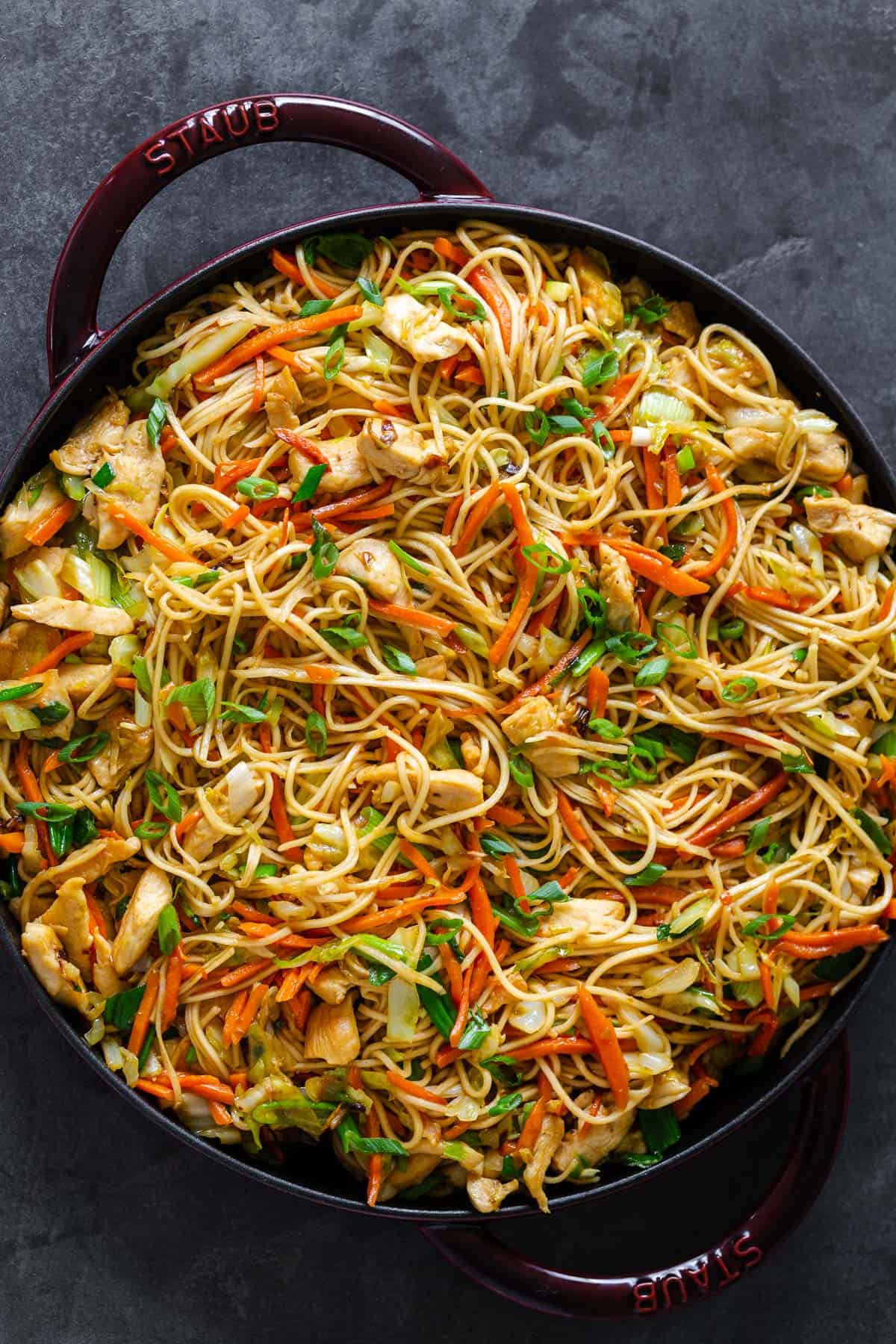
Craving the irresistible flavors of your favorite Chinese takeout? Imagine having that same savory, slightly sweet, and utterly satisfying experience right in your own kitchen, often in less time than it takes for delivery. We're talking about the magic of homemade chicken chow mein, and the true secret to its takeout-beating deliciousness lies in one crucial element: the sauce. Unlocking the best chicken chow mein sauce isn't just about mixing ingredients; it's about understanding the balance, the depth, and the fresh possibilities that elevate a simple noodle dish into a culinary masterpiece. Get ready to ditch the delivery menu and master a restaurant-quality meal that’s quicker, fresher, and undeniably better because you made it.
Why Master Homemade Chicken Chow Mein (and its Sauce)?
There are countless reasons to fall in love with making chicken chow mein from scratch, especially when you nail that perfect sauce. It’s more than just a meal; it's a culinary triumph that offers convenience, flavor, and control.
- Speedy Weeknight Solution: Forget waiting for delivery. With a little prep, you can have a vibrant, flavor-packed chicken chow mein on your table in about 30-35 minutes. This makes it an ideal choice for busy evenings, spontaneous cravings, or when you need a satisfying meal without a lot of fuss. It truly challenges the notion that gourmet flavor requires hours in the kitchen. For a detailed guide on quick preparation, check out our article: Homemade Chicken Chow Mein: Better Than Takeout in Under 35 Mins.
- Unbeatable Flavor Profile: The heart of any truly great chicken chow mein is its sauce. Our ultimate chow mein sauce recipe delivers a balanced symphony of savory umami, a hint of sweetness, and aromatic richness that coats every noodle and piece of chicken to perfection. When you make it at home, you control the freshness of ingredients, avoiding the overly salty or oily common pitfalls of some takeout versions, resulting in a cleaner, more vibrant taste.
- Ultimate Customization & Freshness: Consider your chow mein a delicious blank canvas. You have the freedom to swap in your favorite seasonal vegetables, add different proteins, or adjust the spice level to suit your exact preferences. This level of personalization means every plate is tailored precisely to your craving, ensuring a fresh and satisfying experience every time.
- Cost-Effective & Healthier Alternative: Making chicken chow mein at home is not only a treat for your taste buds but also for your wallet. It's significantly cheaper than ordering takeout, and you gain full control over the quality of ingredients, reducing sodium, unhealthy fats, and artificial additives. It’s a win-win for both health and budget-conscious eaters.
The Secret Weapon: Crafting the Perfect Chicken Chow Mein Sauce
The magic truly happens with the sauce. This isn't just any sauce; it's a meticulously balanced blend designed to bring that authentic, craveable takeout flavor directly to your home kitchen. Each ingredient plays a vital role in creating a sauce that’s rich, glossy, and perfectly coats every strand of noodle.
Here’s what goes into the best chicken chow mein sauce, and why:
- Oyster Sauce: This is the backbone of the sauce, providing an unparalleled depth of umami and a subtle sweetness. Don't let the name deter you; it doesn't taste fishy but rather offers a rich, savory foundation. Choose a good quality brand for the best results, and remember to taste as you go, as saltiness can vary between brands.
- Low Sodium Soy Sauce: Essential for umami and seasoning, opting for a low-sodium version allows you to control the overall saltiness of the dish, ensuring a balanced flavor without overwhelming the palate.
- Light Sesame Oil (Un-toasted): Crucial for adding an aromatic finish without overpowering the other flavors. Unlike toasted sesame oil, which has a much stronger, nuttier profile, light (or "pure") sesame oil offers a delicate fragrance that enhances, rather than dominates, the dish. Add it towards the end to preserve its subtle aroma.
- Chicken Broth: This thins out the sauce to the right consistency while adding moisture and another layer of savory richness. It helps carry all the flavors through the dish, ensuring every bite is delicious.
- Corn Starch: The thickening agent that gives the chow mein sauce its signature glossy texture, allowing it to cling beautifully to the noodles and chicken. Whisk it thoroughly with cold liquid (broth or water) before adding to prevent lumps.
- Granulated Sugar: A small amount of sugar is key to balancing the savory and salty components of the sauce. It brightens the overall flavor profile, adding a hint of sweetness that rounds out the dish perfectly.
- Garlic: Minced or pressed, garlic provides an aromatic punch and savory depth that is indispensable in Chinese stir-fries. It forms a crucial part of the flavor foundation.
Tips for Sauce Perfection:
- Pre-Mix for Success: Always whisk all sauce ingredients together in a bowl *before* you start cooking. This ensures a smooth, lump-free sauce and allows for quick pouring when it’s time to add it to the wok, preventing overcooking of other ingredients.
- Taste and Adjust: Every palate is different, and brands of ingredients vary. Don't be afraid to taste your sauce mixture before adding it to the pan. Adjust sugar, soy sauce, or even a touch more oyster sauce until it hits your perfect balance.
- The Cornstarch Slurry: Ensure your cornstarch is fully dissolved in a cold liquid (like a portion of the chicken broth) before adding it to the rest of the sauce ingredients. This prevents clumping and ensures a silky smooth sauce.
Beyond the Sauce: Essential Ingredients for Your Chicken Chow Mein
While the sauce is the star, the supporting cast of fresh ingredients makes your chicken chow mein shine. Quality produce and protein are key to achieving that restaurant-quality experience.
- Chicken Breast: Boneless and skinless chicken breast, thinly sliced or cut into strips, cooks quickly and absorbs the sauce beautifully. For an extra layer of flavor and tenderness, consider a quick marinade (e.g., a pinch of cornstarch, soy sauce, and a dash of sesame oil) before cooking.
- Chow Mein Noodles: These are typically thin to medium-thick Chinese egg noodles, distinguished by their yellow color and chewy texture. You can often find them labeled "chow mein noodles" in Asian supermarkets, but medium-thick dried or fresh egg noodles work perfectly. They should be cooked al dente, drained, and often tossed with a tiny bit of oil to prevent sticking before stir-frying. For more tips on getting your noodles just right, check out our related article: Homemade Chicken Chow Mein: Better Than Takeout in Under 35 Mins.
- Cabbage: Green cabbage or Napa cabbage adds a delightful crunch and a subtle sweetness that complements the savory sauce. Slice it thinly for quick cooking and even distribution.
- Carrots: Julienned carrots not only provide a vibrant splash of color but also contribute a natural sweetness and a satisfying textural element.
- Green Onions: Used both in the stir-fry and as a fresh garnish, green onions add a mild oniony bite and a burst of fresh aroma that brightens the entire dish.
- Neutral Oil: A high smoke point oil like vegetable, canola, or grapeseed oil is essential for stir-frying. It allows you to achieve that perfect sear on the chicken and vegetables without burning.
Customizing Your Chow Mein: Endless Possibilities
One of the greatest joys of cooking chicken chow mein at home is the freedom to make it uniquely yours. This dish is incredibly forgiving and adaptable, inviting you to experiment with various proteins and vegetables based on what you love or what’s seasonal.
- Protein Power-Ups: While chicken is classic, feel free to switch it up!
- Shrimp: Quick-cooking and delicious, add it towards the end to avoid overcooking.
- Beef or Pork: Thinly sliced flank steak or pork tenderloin can be wonderful alternatives. Marinating them briefly in soy sauce and cornstarch will keep them tender.
- Tofu: For a vegetarian option, press extra-firm tofu, cube it, and pan-fry or air-fry until golden brown before adding it to the wok.
- Veggie-Loaded Goodness: Don't limit yourself to cabbage and carrots. Add a rainbow of vegetables to boost nutrition, flavor, and texture.
- Mushrooms: Sliced shiitake or cremini mushrooms add an earthy umami.
- Bell Peppers: Red, yellow, or orange bell peppers bring sweetness and vibrant color.
- Snap Peas or Snow Peas: Offer a delightful crisp-tender texture.
- Broccoli or Bok Choy: Cut into small florets or chopped, these greens are excellent additions.
- Spicy Kick: If you love a bit of heat, easily integrate it into your chow mein.
- A dash of chili paste (like sambal oelek) or Sriracha added to the sauce.
- Red pepper flakes stirred in with the garlic.
- Fresh sliced chilies for a vibrant, fiery touch.
- Dietary Adaptations: This recipe can be easily modified to fit various dietary needs.
- Gluten-Free: Swap soy sauce for tamari and ensure your noodles are certified gluten-free (rice noodles or specific GF chow mein noodles work well).
- Lower Carb: Consider using spiralized zucchini noodles or a greater proportion of shredded cabbage in place of traditional chow mein noodles.
For more creative ideas and easy variations, explore our dedicated article: Quick Chicken Chow Mein: Speedy Weeknight Meal & Easy Variations.
The Cooking Process: Bringing It All Together
While the sauce is the star, the technique of stir-frying is crucial. The beauty of chicken chow mein lies in its rapid cooking, making speed and organization key. Here’s a brief overview of the flow:
- Prep Everything (Mise en Place): Before you even turn on the stove, have all your ingredients chopped, measured, and your sauce pre-mixed. This is non-negotiable for successful stir-frying.
- Cook Noodles: Boil your chow mein noodles according to package directions until al dente, then drain, rinse with cold water (to stop cooking and prevent sticking), and toss lightly with a bit of oil.
- Sear Chicken: Heat a wok or large skillet over high heat with a neutral oil. Add your chicken strips and stir-fry until cooked through and lightly browned. Remove from the pan and set aside.
- Stir-Fry Veggies: Add a bit more oil if needed, then quickly stir-fry your garlic, carrots, and cabbage until crisp-tender.
- Combine and Sauce: Return the cooked chicken to the pan with the vegetables. Add the cooked noodles. Pour your pre-mixed chow mein sauce evenly over everything.
- Toss to Coat: Using tongs or spatulas, quickly toss and stir the ingredients vigorously to ensure the noodles, chicken, and vegetables are thoroughly coated in the glistening sauce. Cook for just a minute or two until the sauce thickens and clings.
- Garnish: Finish with fresh green onions for a final flourish of flavor and color.
Mastering homemade chicken chow mein, especially with its sensational sauce, is an incredibly rewarding culinary journey. You’ll discover that creating restaurant-quality flavors at home is not only achievable but also incredibly satisfying. From the speedy preparation to the endless customization possibilities and the unbeatable fresh taste, this dish offers so much more than your usual takeout order. So, gather your ingredients, whisk up that perfect chow mein sauce, and get ready to impress your taste buds and loved ones with a meal that’s truly a cut above. Your favorite new weeknight dinner awaits!
